
What to Expect During Your First Massage Session
1/25/26
For many people, the idea of booking a massage comes with questions.
What happens in the room. What to wear. What is expected of you.
Understanding the process ahead of time can help you feel more comfortable and confident before you ever walk through the door.
Before the Massage Begins
Your session starts with a brief intake conversation. This is where your therapist learns about your goals, areas of concern, injuries, and any medical considerations.
This information helps guide the session so the work is appropriate for your body and your needs.
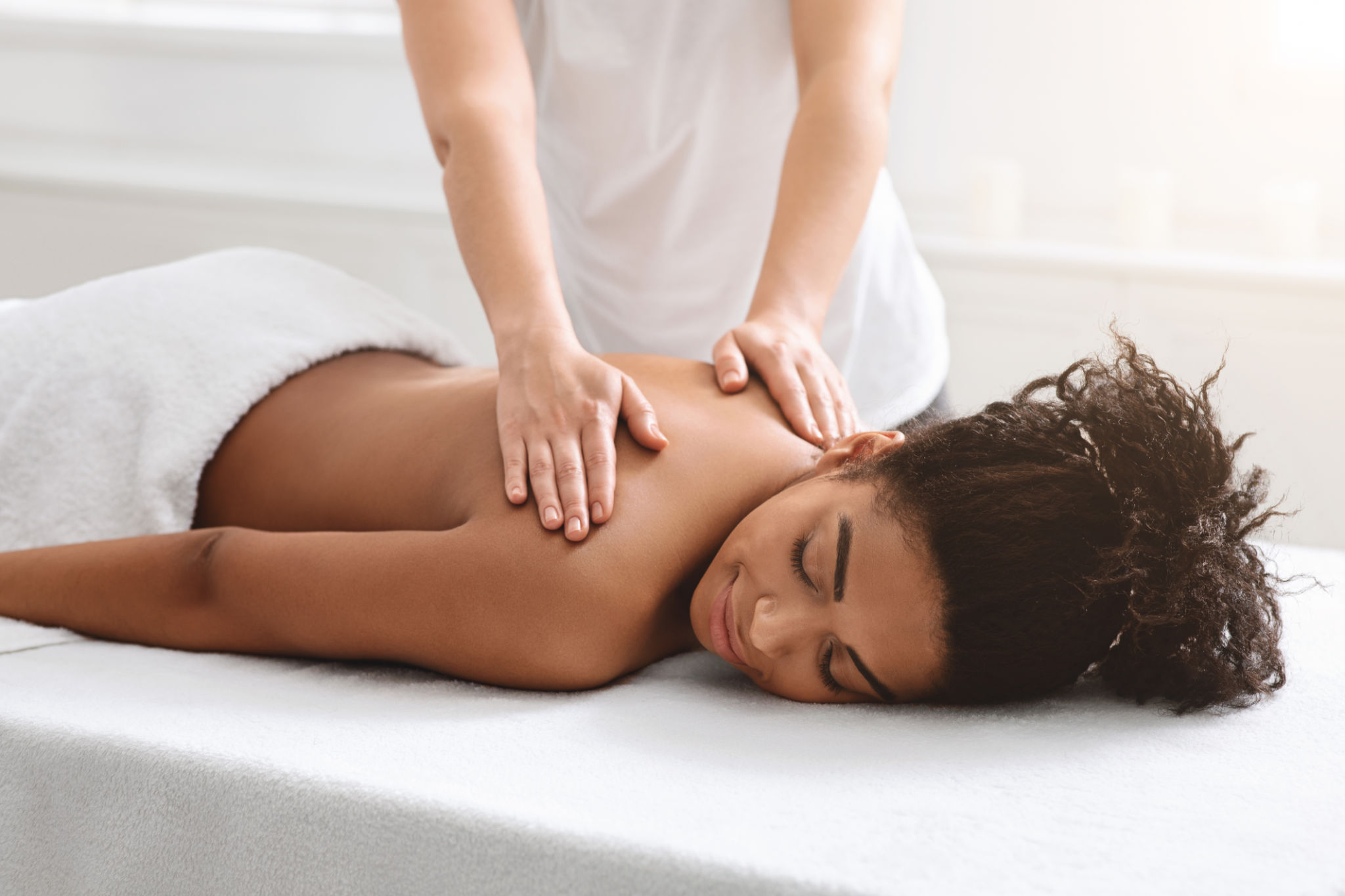
You will have privacy to get comfortable on the table. You can undress to your comfort level. You will always be properly draped throughout the session.
During the Massage
Massage is not something you have to perform or endure.
Your job is simply to breathe and allow your body to respond.
Pressure can always be adjusted. Communication is encouraged.
A good massage is not about pushing through pain but working with the body in a way that supports release and relaxation.
Some people talk. Some people rest quietly. Both are normal.
After the Session
After your massage, you may feel deeply relaxed, lighter, or more aware of your body. Mild soreness can occur, especially if it has been a while since your last session.
Drinking water and giving your body time to integrate the work can be helpful.
Massage is not just a single moment of care. It is part of how you support your body over time.
Thoughtfully, Gabrielle
How to Know What Type of Massage to Book
Many clients are unsure what type of massage they should choose. With so many terms out there, it can feel confusing.
The truth is, you do not need to have it all figured out before booking.
A good massage therapist helps guide the session based on your needs, not just a label.
Start With Your Goal
The easiest place to start is asking yourself what you want from the session.
Are you looking to relax and unwind
Do you feel tight or sore in certain areas
Are you dealing with ongoing tension or stress
Your goal tells more than the name of a massage style.
Relaxation vs Focused Work
Some sessions are geared toward general relaxation. These usually use lighter to moderate pressure and aim to calm the nervous system and ease overall tension.
Other sessions focus more on specific areas like the neck, shoulders, or lower back. These may include deeper or more targeted work where needed.
Most massages are actually a blend, depending on what your body needs that day.
Pressure Can Be Adjusted
Pressure is not locked in by the type of massage you book.
You can always ask for lighter or deeper work during your session. Your comfort and your body’s response matter more than sticking to a category.
Communication Helps
If you are not sure what to choose, it is completely fine to say that when booking.
Sharing what you are feeling in your body or what you hope to get out of the session helps your therapist plan accordingly.
The Takeaway
You do not need to pick the “right” type of massage on your own.
Start with your goal and how your body feels. A good therapist will adjust the session to support what you need that day.
Massage is not one size fits all. It is tailored to you.
What to Wear to Your Massage
A common question, especially for first time clients, is what to wear to a massage appointment.
The simple answer is this: wear comfortable clothing when your therapist arrives, just like you would for any professional service coming into your home.
Massage therapy is focused on your comfort and well being, and the session is always handled in a professional and respectful way.
What Happens During the Session
When I arrive, I bring the table, linens, and supplies needed for your session. Once everything is set up, I will step out and give you privacy so you can get on the table comfortably.
Clients should be fully dressed when I arrive and until I step out for you to get situated on the table.
You undress to your comfort level at that time. Some people undress completely. Others keep some clothing on. Both are normal.
You will always be properly draped with a sheet. Only the area being worked on is uncovered. The rest of your body stays covered throughout the session.
Professional draping is a standard part of massage therapy and protects both your privacy and the professional nature of the service.
Choosing Comfortable Clothing
Many clients wear lounge wear or relaxed clothing before and after their session.
Loose, comfortable clothes can feel especially nice afterward when your body is relaxed.
Jewelry and Accessories
Removing large jewelry or watches beforehand can help you feel more comfortable on the table and allows the session to flow smoothly.
Creating a Comfortable Space
Comfort also includes your environment.
A quiet space, comfortable room temperature, and enough floor space for the table is all that is needed.
Your home does not need to be perfect or look like a spa. A calm corner and a bit of room is enough.
If You Are Unsure
If you ever feel unsure about what to expect, you can always ask questions ahead of time. Clear communication helps everyone feel comfortable.
Massage should always feel safe, respectful, and professional.
The Takeaway
Be comfortably dressed when your therapist arrives. You will have privacy to get on the table and undress to your comfort level before the session begins, and you will be properly draped throughout.
Massage is a professional service focused on your comfort, safety, and care.
Thoughtfully,
Gabrielle
Why You Might Feel Sore After a Massage
Some people feel great right after a massage, then notice mild soreness the next day. This can be confusing, especially if massage is supposed to help the body feel better.
In most cases, post massage soreness is normal and temporary.
Understanding why it happens can make it less concerning and easier to manage.
Why Soreness Can Happen
Massage works with muscles and soft tissue that may already be tight, sensitive, or overworked. When those areas are addressed, the tissue is being encouraged to move and change.
This can create a response similar to how muscles feel after exercise, especially if it has been a while since your last massage.
Deeper or more focused work can also bring awareness to areas that have been holding tension for a long time.
What Normal Soreness Feels Like
Typical post massage soreness is mild and fades within a day or two.
It may feel like:
General muscle tenderness
A bruised feeling without visible bruising
Slight stiffness when moving
This is different from sharp pain or pain that worsens over time.
How to Support Your Body After a Massage
Gentle care after a session can help your body settle.
Drinking water, light movement, stretching, and warm showers can all support recovery. Rest can also be helpful if your body feels tired.
Most soreness resolves on its own fairly quickly.
When to Say Something
If soreness feels intense, lasts several days, or does not feel right, it is always okay to mention it to your therapist.
Good communication helps future sessions be adjusted to your needs.
The Takeaway
Mild soreness after a massage can be a normal response as muscles adjust and release tension.
Massage should leave your body feeling supported overall, even if there is temporary tenderness.
Paying attention to how your body responds helps guide the best approach for future sessions.
Thoughtfully,
Gabrielle
Is Deep Tissue Massage Supposed to Hurt
Many people associate deep tissue massage with pain.
Some even believe that if it does not hurt, it is not working.
This is a very common misunderstanding.
Deep tissue massage focuses on working with deeper layers of muscle and connective tissue, but that does not mean it should feel overwhelming or unbearable.
The Myth of “No Pain, No Gain”
You may have heard that massage has to hurt to be effective. In reality, pain often causes the body to guard instead of release.
When a muscle feels threatened, it tightens to protect itself. That makes it harder, not easier, to work with.
Productive massage often feels like relieving pressure or a “good hurt,” not sharp or distressing pain.
What Deep Tissue Is Actually For
Deep tissue techniques are often used for long held tension, repetitive strain, or areas that feel stuck or restricted.
The goal is to work slowly and intentionally so the tissue has time to respond. This is different from forcing pressure into a tight area.
Depth comes from technique and pacing, not just how hard someone presses.
Communication Matters
A good session includes feedback. Pressure can always be adjusted.
Everyone’s nervous system and pain tolerance are different. What feels helpful to one person may feel like too much to another.
Speaking up during a massage is not rude. It helps the therapist tailor the work to your body.
Soreness vs Pain
It is normal to feel some mild soreness after deeper work, similar to how muscles can feel after exercise.
That soreness should fade within a day or two. Lingering or intense pain is not the goal and should be communicated.
The Takeaway
Deep tissue massage is meant to be helpful, not overwhelming.
When the pressure is right, the body can respond and release more naturally.
Massage works best when your body feels safe enough to relax into the work.
Thoughtfully,
Gabrielle
How Often Should You Get a Massage
One of the most common questions clients ask is how often they should schedule a massage.
The honest answer is that it depends on your body, your stress levels, and what you are hoping to get out of massage therapy. There is no single schedule that fits everyone.
Massage is not only for when something hurts. For many people, it works best as part of regular self care and body maintenance.
For General Maintenance
If your goal is overall wellness, stress relief, and keeping tension from building too much, many people find that a massage about once a month works well.
This gives your body regular chances to reset and can help you hold onto the progress from previous sessions.
For Chronic Tension or Ongoing Discomfort
If you are dealing with persistent tightness, repetitive strain, or long term tension, closer together sessions at first can help.
Some clients come every one to two weeks for a period of time, then space visits out as their body starts to feel better. This is not about dependency. It is about giving your muscles and nervous system consistent support while things calm down.
For High Stress Periods
During busy seasons, emotional stress, or physically demanding times, your body may need more care than usual.
Short term increases in frequency can help manage tension before it turns into real discomfort.
Listening to Your Body
Your body usually gives hints before it starts yelling. Recurring tightness, tension headaches, poor sleep, or feeling physically run down can all be signs that it might be time for a massage.
You do not have to wait until something feels bad.
A Realistic Perspective
There is no schedule you have to follow to “do massage right.”
Your life, your budget, and your stress levels all matter.
Some clients like coming monthly because it helps them stay ahead of tension. Others book when they notice their shoulders creeping up or their back getting tight again. Some only come during stressful seasons.
All of that is normal.
Massage should feel supportive, not like another obligation on your calendar.
The Takeaway
You do not need a perfect routine. You just need to notice your body and respond when it asks for care.
Massage is one way to take care of yourself. It is there when you need it, not something you have to keep up with.
Thoughtfully, Gabrielle
Why Massage Therapy Sometimes Brings Emotional Release
Some clients notice unexpected emotions during or after a massage session. This can look like feeling teary, deeply reflective, unusually calm, or even a little vulnerable.
For many people, this is surprising.
Massage is often seen as something that helps sore muscles or tight areas, but our experiences, stress, and emotions also live in the body. What we carry mentally often shows up physically, even if we do not realize it.
Understanding this connection helps explain why emotional responses can sometimes happen.
The Body Stores More Than Muscle Tension
The body responds to life experiences, stress, and emotions in physical ways. When stress is ongoing, the nervous system and muscles can stay in protective patterns.
Tight shoulders, guarded posture, shallow breathing, and jaw clenching are common examples. Over time, these patterns can become familiar to the body.
Massage encourages these areas to soften. When the body shifts out of a guarded state, the nervous system may also release stored stress responses.
This can feel emotional for some people.
A Calm Nervous System Allows Processing
During a massage, the environment is quiet, safe, and supportive. Distractions are reduced. The body is encouraged to rest.
For some clients, this is one of the few times they fully slow down.
When the body finally has space to relax, the mind sometimes catches up. Thoughts or feelings that were pushed aside can surface simply because there is room to notice them.
Nothing is being forced. It is just the body settling.
Emotional Release Is Not Required
It is important to know that emotional release is not the goal of massage and it does not happen for everyone.
Many sessions are simply relaxing and physical. Both experiences are normal.
If emotions do arise, they are treated with respect and professionalism. Clients are never expected to explain or justify how they feel.
How Therapists Approach This
A professional massage therapist keeps the space calm and supportive. Your comfort always comes first.
You never have to explain what you are feeling, and you are not expected to talk about anything personal. Some people share, some stay quiet, both are completely okay.
The focus stays on helping your body feel safe and supported.
The Takeaway
Massage therapy supports the whole person, not just individual muscles. Because the nervous system and body are connected, relaxation can sometimes include emotional responses.
This is a normal human experience, not a sign that something is wrong.
Massage simply creates a space where the body can let go of what it no longer needs to hold.
Thoughtfully,
Gabrielle
Why Stress Often Shows Up in the Neck and Jaw
Many people are surprised when neck tightness or jaw tension becomes a recurring issue, even when they are not doing anything physically demanding.
This is not a coincidence.
The neck and jaw are two of the most common places the body holds stress, especially when stress is ongoing rather than sudden.
The Body’s Stress Response
When the nervous system perceives stress, the body prepares to protect itself. This response can happen during emotional strain, mental overload, or prolonged pressure, not just physical danger.
In this state, muscles that support the head and protect vital areas often tighten automatically. The neck stabilizes the head. The jaw braces. Shoulders lift slightly. Breathing becomes more shallow.
Over time, this pattern can become the body’s default.
Why the Jaw Is So Reactive
The jaw is closely connected to the nervous system and emotional processing. Clenching or holding tension in the jaw is a common unconscious response to stress, focus, or suppressed emotion.
Many people clench during the day without realizing it. Others grind their teeth at night. Even when the mouth is still, the jaw muscles may remain activated.
This tension can contribute to headaches, neck pain, facial discomfort, and limited range of motion.
The Neck as a Stress Holder
The neck supports the weight of the head and responds quickly to changes in posture, breathing, and emotional state.
When stress is present, the muscles of the neck often stay engaged to maintain control and alertness. This can lead to stiffness, reduced mobility, and a feeling of heaviness or pressure at the base of the skull.
Because this tension develops gradually, it is often accepted as normal until discomfort becomes hard to ignore.
How Massage Therapy Helps
Massage therapy addresses both the muscular and nervous system components of neck and jaw tension.
By working slowly and intentionally, massage can help signal safety to the nervous system. As the body shifts toward a calmer state, muscles that have been holding unnecessarily can begin to soften.
Jaw work, when appropriate and consented to, can be especially effective for clients who experience chronic clenching or facial tension.
Building Awareness Between Sessions
Noticing jaw position during the day can be helpful. Gentle reminders to let the tongue rest, soften the jaw, and lower the shoulders can reduce habitual tension over time.
Massage supports this awareness by helping clients recognize what relaxation actually feels like in these areas.
The Takeaway
Neck and jaw tension are not signs of weakness or poor posture alone. They are often reflections of how the body responds to stress.
Massage therapy helps interrupt these patterns by supporting both the muscles and the nervous system, creating space for lasting relief.
How Massage Therapy Supports the Nervous System
When people think about massage therapy, they often think about muscles first. Tight shoulders. Sore backs. Achy hips.
But one of the most important systems massage works with is the nervous system.
Understanding this connection helps explain why massage can feel deeply calming, why stress shows up in the body, and why relief is not always just about pressure.
The Nervous System and Tension
Your nervous system controls how your body responds to stress. When life feels demanding, unpredictable, or overwhelming, the body can stay in a constant state of alert.
This is often called fight or flight.
In this state, muscles tend to tighten, breathing becomes shallow, and the body prioritizes protection over rest and repair. Over time, this can contribute to chronic tension, fatigue, and difficulty fully relaxing even when you want to.
What Massage Does Differently
Massage therapy provides safe, steady input to the body through touch. This signals the nervous system that it does not need to stay on high alert.
As the nervous system shifts toward a calmer state, muscles often soften without force. Breathing slows. Circulation improves. The body begins to feel supported rather than guarded.
This is why some people notice emotional release, deep relaxation, or improved sleep after a session. These are nervous system responses, not just muscle changes.
Why Pressure Is Not Always the Answer
More pressure does not always equal better results.
When the nervous system feels threatened, excessive pressure can increase guarding rather than reduce it. Skilled massage work adjusts depth, pace, and technique based on how the body responds in real time.
Massage that supports the nervous system works with the body, not against it.
Long Term Benefits
When massage is received consistently, the nervous system can learn that relaxation is safe and available. This can support better stress management, improved body awareness, and reduced tension patterns over time.
Massage is not just about fixing a problem. It is about helping the body return to balance.
The Takeaway
Massage therapy is not only physical care. It is nervous system care.
By supporting the body’s ability to rest, massage creates space for healing, resilience, and long term well being.
Thoughtfully, Gabrielle
Is Massage Therapy Worth It for Chronic Tension
Chronic tension is one of the most common reasons people consider massage therapy. It can show up as tight shoulders, recurring neck pain, low back discomfort, or a general feeling of stiffness that never fully goes away.
Many clients ask the same quiet question before booking, “Will massage actually help or is it just temporary relief?”
The answer depends on understanding what chronic tension is and how massage works with the body.
What Chronic Tension Really Means
Chronic tension is not always caused by a single injury or poor posture. It often develops over time due to stress, repetitive movement, prolonged sitting, or the nervous system staying in a constant state of alert.
When muscles stay guarded for long periods, they lose flexibility and circulation. The body adapts to this tension and begins to treat it as normal, even when it causes discomfort.
How Massage Therapy Helps
Massage therapy works by improving circulation, reducing muscle guarding, and helping the nervous system shift out of stress mode.
When the body feels safe enough to relax, muscles can release more effectively. This is why massage often brings both physical relief and a sense of calm.
For chronic tension, consistency matters. One session can feel good, but regular massage helps retrain the body away from constant holding patterns.
Is Massage a Permanent Fix
Massage therapy is not a cure all and it is not meant to replace medical care when needed. However, it is a powerful support tool.
Many clients experience reduced pain, improved range of motion, better sleep, and greater awareness of how their body responds to stress.
Massage works best as part of an ongoing care plan rather than a one time solution.
Knowing If It Is Right for You
If your tension feels persistent, stress related, or worsens during busy or emotionally demanding periods, massage therapy may be especially beneficial.
A professional therapist will adjust pressure and techniques based on your comfort and goals. Massage should never feel like something you have to push through.
The Bottom Line
Massage therapy is not just about relaxation. For chronic tension, it is about helping the body reset, soften long held patterns, and feel supported.
When used consistently, massage can be a valuable investment in how your body functions and feels day to day.
Thoughtfully, Gabrielle